
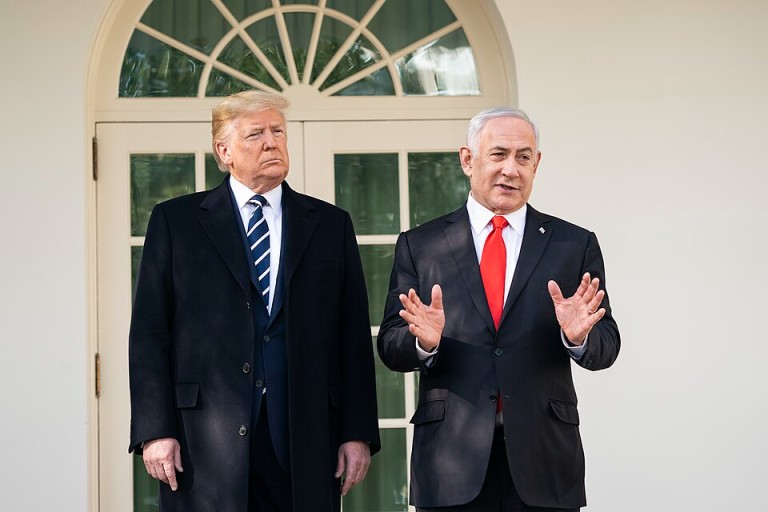
Tensions have flared between US President Donald Trump and Israeli Prime Minister Benjamin Netanyahu as the United States and Iran edge closer to cementing a peace deal that aims to resolve over three months of conflict in West Asia. Trump openly criticized Netanyahu, labeling him “a very difficult guy,” and voiced his exasperation with Israel’s ongoing military actions in Lebanon. These operations, according to Trump, have complicated the finalization of a ceasefire and a broader peace framework with Iran.
Recent Israeli strikes on Beirut have reportedly postponed the announcement of the US-Iran agreement, escalating tensions during crucial negotiations. Trump emphasized the importance of American support for Israel but cautioned that significant regional security threats persist. The conflict, which extended into Lebanon after Hezbollah supported Iran, has led to prolonged clashes with Israeli forces, displacing numerous civilians and sparking fears of broader regional instability.
While discussions between Washington and Tehran have made headway, Lebanon’s role in the agreement remains uncertain. Mediators suggest that issues concerning Lebanon might be addressed in future talks, though Israel insists on its right to undertake independent security measures. The US and Iran have reached a preliminary framework to halt military operations, reopen the Strait of Hormuz, and lift restrictions on maritime traffic in the region. The formal signing of this agreement is expected to occur in Switzerland later this week.
Post-signing, the two nations will enter a 60-day negotiation period aimed at resolving outstanding issues, including Iran’s nuclear program and broader regional security arrangements. The potential reopening of the Strait of Hormuz holds significant interest for global markets, as it could stabilize energy supplies and alleviate pressure on international oil prices, which have suffered disruptions for months.