
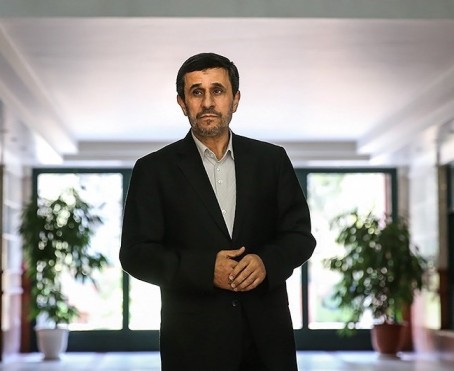
Recent allegations have sparked fresh debate over the United States and Israel’s attempts to destabilize Iran’s regime. Claims have emerged suggesting that Israel sought to support the rise of Mahmoud Ahmadinejad, a populist figure, to power. Although Ahmadinejad’s presidency from 2005 to 2013 was characterized by aggressive rhetoric against Israel, he later positioned himself as a critic of Iran’s ruling regime and an advocate for the poor after a fallout with Supreme Leader Ali Khamenei. Reports suggest that Israel bombed a security building near Ahmadinejad’s home in Tehran to aid his escape from house arrest, although he reportedly became apprehensive about the operation.
The plausibility of these plans has been questioned, with some viewing them as disinformation from Ahmadinejad’s supporters or Israeli intelligence. Nevertheless, this episode highlights a potential overestimation by the US and Israel regarding opposition to Iran’s regime and the effectiveness of airstrikes in facilitating regime change. Amid rising domestic anger over gas prices, former President Donald Trump sought to disengage from the conflict, although he considered further airstrikes to pressure Tehran into meeting his demands. He revealed having delayed an attack after intervention from Gulf leaders and later engaged in a lengthy phone call with Israeli Prime Minister Benjamin Netanyahu about potentially resuming hostilities.
Trump, when asked about Israel’s ability to refrain from attacking Iran, expressed confidence in Netanyahu, stating, “Netanyahu will do whatever I want him to do. He’s a great guy.” Meanwhile, Tehran remains steadfast, refusing Washington’s demands on uranium enrichment and prioritizing the lifting of sanctions over negotiations on its nuclear program. The US has imposed a counter-blockade on Iranian ports to hinder oil exports, primarily destined for China. The Islamic Revolutionary Guard Corps has warned of expanding the conflict beyond the region should Trump resume his assaults.
Iranian media have expressed skepticism about the claims made in the report, denying that Ahmadinejad was under house arrest. During initial Israeli strikes on Tehran in late February, Iranian media reported Ahmadinejad’s possible death, which was later clarified as an attack on a security outpost near his home in Narmak. Satellite images confirmed this strike, with reports emerging that while Ahmadinejad sustained minor injuries, his bodyguards were killed. Despite his contentious policies and Holocaust denial, Ahmadinejad remains an unlikely ally for Netanyahu.
The situation reflects a complex geopolitical landscape, reminiscent of US strategies in Venezuela, where troops captured leader Nicolás Maduro without dismantling the regime. Ahmadinejad’s strained relationship with Tehran’s leadership complicates similar efforts in Iran. His authority weakened after disputes with Khamenei in 2011, and subsequent political developments diminished his influence. Although repeatedly barred from running for presidency, including in 2024, Ahmadinejad has softened his criticisms of Israeli strikes on Iran. His few public appearances, like a visit to pro-Israel Hungary, signify a shift in his stance since his presidency ended.