
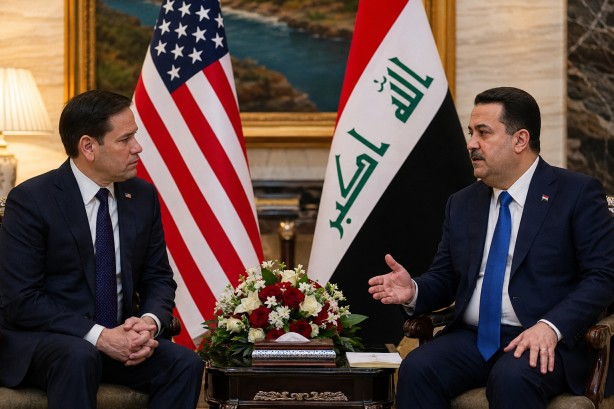
Iraqi Prime Minister Ali Al Zaidi recently completed a significant visit to Washington, where he successfully secured economic agreements aimed at boosting investment and strengthening security ties with the United States. This visit underscored Iraq’s commitment to attracting foreign investment and enhancing its security framework, while also positioning Al Zaidi as a leader focused on reform.
During the visit, US officials warmly welcomed the Iraqi Prime Minister, acknowledging the potential for increased cooperation between the two nations. However, some analysts have expressed concerns about the challenges Iraq may face in executing the commitments made, particularly in areas like security reforms and economic modernization. The country’s internal political landscape and the influence of Iran-backed groups are seen as potential obstacles to these efforts.
Experts emphasize the delicate balancing act that Baghdad must perform in maintaining relationships with both Washington and Tehran, especially as regional tensions continue to simmer. The ability to successfully manage these diplomatic ties will be crucial for Iraq as it seeks to navigate the complexities of its geopolitical environment.
While the visit has opened up new avenues for collaboration, much of its long-term success hinges on Iraq’s capability to implement meaningful reforms and sustain stable relations with both major partners. The agreements reached during Al Zaidi’s visit hold promise, but their realization will depend on Iraq’s political will and strategic diplomacy moving forward.