
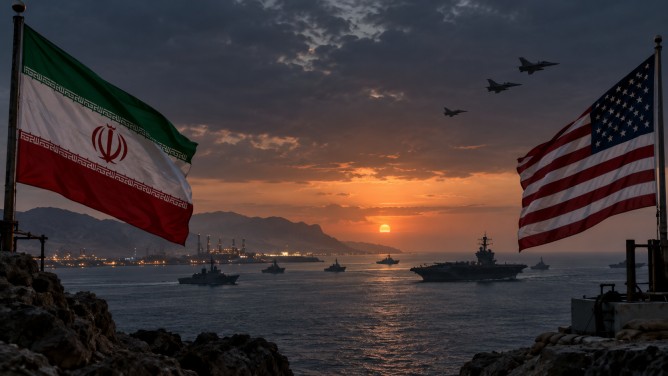
Tensions in the Middle East have escalated as the United States and Iran exchanged threats, with U.S. President Donald Trump urging Iran to negotiate while cautioning of severe repercussions should it refuse. Iran’s military responded, warning that any new U.S. attacks would prompt retaliation against American bases and interests in the region.
President Trump has suggested openness to a potential meeting with Iranian President Masoud Pezeshkian during the United Nations General Assembly in New York this week, indicating a possible diplomatic avenue amid the ongoing hostilities. Meanwhile, Iranian officials have warned that any countries supporting U.S. actions could be seen as participants in the conflict.
The situation also remains tense in the Strait of Hormuz, a critical passage for global oil shipments, as Iran ties its reopening to the conditions of the conflict and negotiations. The instability adds further pressure to global energy markets, already strained by recent events.
Compounding the regional volatility, Yemen’s Houthi movement has claimed responsibility for recent missile and drone attacks targeting Riyadh and an oil facility in Yanbu, Saudi Arabia. Although Saudi air defenses intercepted a missile aimed at Riyadh, continued Houthi actions have heightened concerns about the security of regional energy supplies.
The increased Houthi activity around Yemen’s Red Sea coast and the Bab el-Mandeb Strait poses heightened risks for commercial shipping in the area. These developments have contributed to fluctuating oil prices, which saw a slight easing on September 21 as markets considered the possibility of renewed diplomatic efforts and a partial recovery in Saudi exports.