
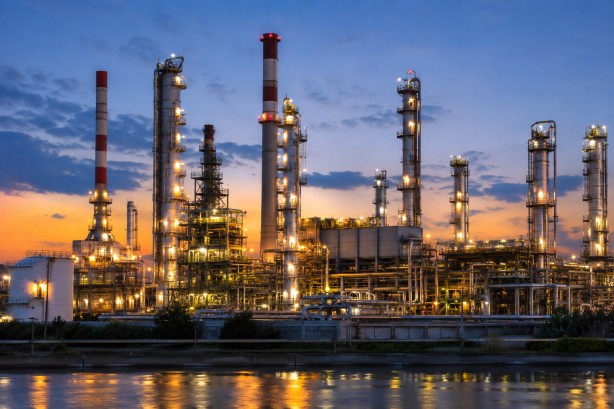
On Thursday, global oil prices soared past the $100 per barrel mark, driven by increasing tensions in the Middle East that have sparked fears about potential disruptions to energy supplies worldwide. Brent crude briefly reached $100.14 per barrel, while West Texas Intermediate (WTI) approached $91 per barrel, both hitting their highest levels in months. This surge followed reports of attacks targeting Saudi oil tankers in the Red Sea, escalating concerns over the security of vital international shipping lanes.
The Red Sea and Bab el-Mandeb Strait are crucial routes for Saudi oil exports, serving as an alternative conduit to the heavily trafficked Strait of Hormuz. Analysts have cautioned that any disturbances along these corridors could have substantial implications for global oil supply and the stability of energy markets. The recent upheaval underscores the strategic importance of these maritime passages and the vulnerability of oil transport to geopolitical tensions.
The spike in crude oil prices has further heightened worries about inflation, as increased energy costs are expected to impact transportation, manufacturing, and fuel expenses globally. In the United States, gasoline prices have already begun to rise, contributing to inflationary pressures that are also affecting government bond yields, which have moved upward in response to growing inflation expectations.
Market experts suggest that ongoing instability in the Middle East could maintain elevated oil prices, with investors keeping a close watch on developments in the region. Any further escalation could have a significant impact on global supply chains and the broader economy, necessitating vigilant monitoring of the situation by stakeholders and policymakers alike.