
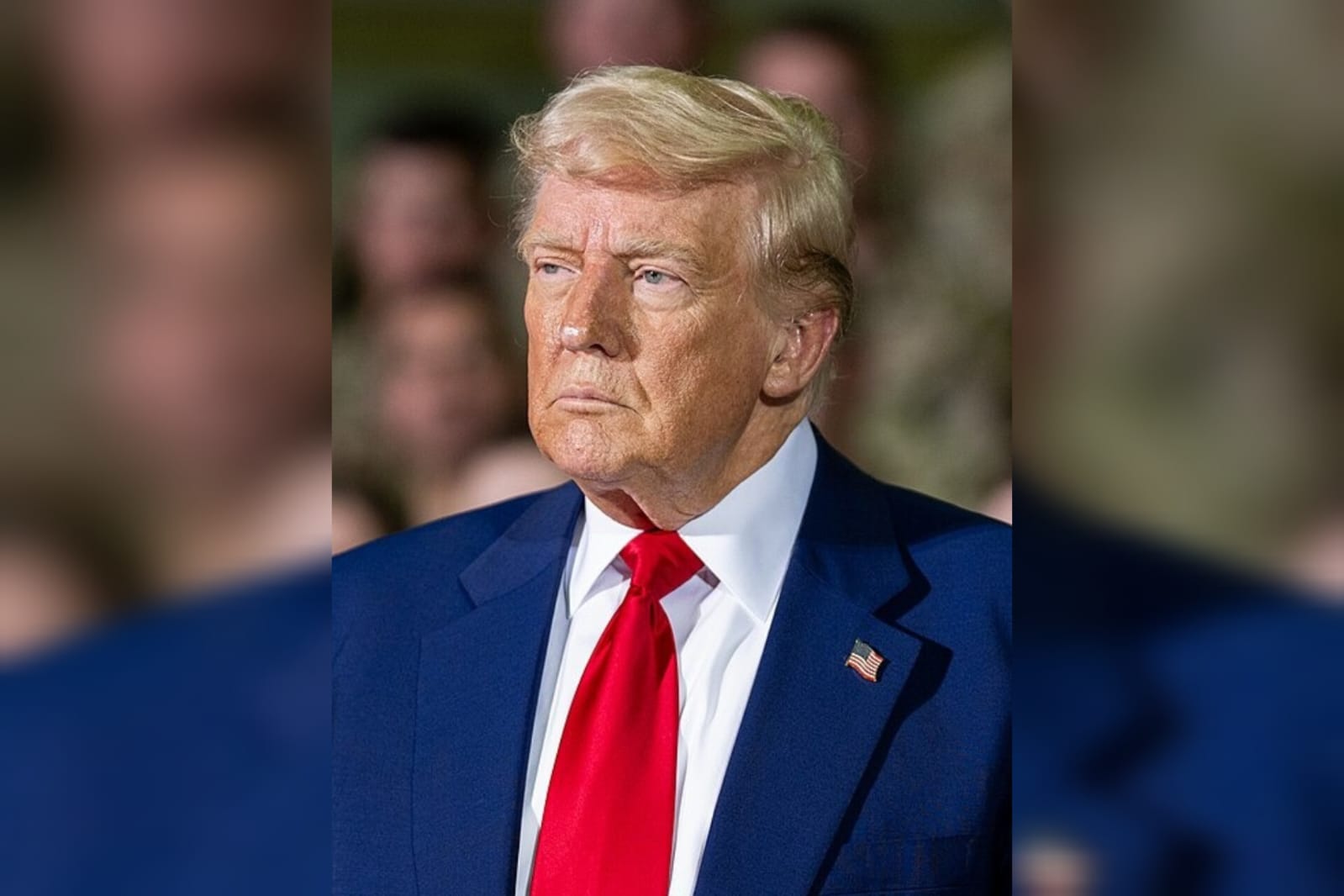
President Donald Trump has announced a new agreement between the United States and Iran, which he claims will significantly enhance Israel’s security by mitigating the risk of a nuclear threat from Tehran. In a discussion with Israeli Prime Minister Benjamin Netanyahu, President Trump stated that the deal eliminates the possibility of an Iranian nuclear attack, marking it as a crucial security assurance for Israel. This 14-point memorandum, according to Trump, ensures that Israel is protected from nuclear threats, which he described as the most critical outcome for the nation.
Following the signing of the agreement, Trump shared with reporters that he had personally communicated with Netanyahu prior to finalizing the deal, framing it as a strategic move to bolster Israel’s long-term safety. Despite persisting regional tensions, he expressed confidence that Israel would see the agreement in a positive light. The deal initiates a 60-day negotiation period concentrating on Iran’s nuclear program and includes measures aimed at reopening essential trade routes and easing certain sanctions. However, specific regional issues, such as Israel’s military actions in Lebanon, remain unaddressed.
While the U.S. administration portrays the agreement as a significant security breakthrough, reactions in Israel are mixed. Critics are concerned that reducing pressure on Iran might enhance its regional influence, potentially posing new threats. On the other hand, proponents of diplomatic approaches argue that the deal could help lower the chances of broader conflicts in the region.
Within Israel, the leadership faces domestic scrutiny over its regional policy strategies. Political opponents have criticized recent developments as strategic blunders. As negotiations continue, the complete implementation and long-term effects of the agreement are yet to be determined. The situation remains fluid, with various stakeholders closely monitoring the unfolding diplomatic efforts.