
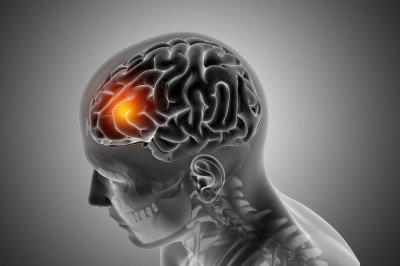
Significant shifts in a person’s behavior can sometimes be attributed to stress, anxiety, or emotional challenges. However, medical professionals warn that in certain instances, these changes could signal a more serious neurological condition, such as a brain tumor. Neurologists highlight that family members are often the first to notice when someone’s demeanor takes a dramatic turn, such as a typically calm person becoming irritable or a normally cheerful individual becoming withdrawn.
Experts point out that the sudden onset of these behavioral changes, particularly when there is no apparent cause like work stress or personal issues, is a key indicator to watch for. While behavioral changes due to psychological factors tend to develop gradually, neurological changes may persist or worsen over time. The brain regulates personality, emotions, and decision-making, so a tumor in these areas might initially manifest through changes in thinking, mood, and social interactions, rather than through noticeable physical symptoms.
These personality changes can be subtle at first, with signs such as increased aggression, emotional detachment, impulsivity, concentration difficulties, memory issues, or behaviors that seem entirely out of character. It’s important to note that these changes rarely occur in isolation. Other symptoms that may accompany behavioral shifts include persistent headaches, unexplained nausea, vision problems, seizures, balance difficulties, and weakness in an arm or leg.
Doctors stress that sudden personality changes do not automatically mean there is a brain tumor, as many medical and psychological conditions can produce similar symptoms. Nonetheless, if behavioral anomalies arise alongside neurological or physical issues, it is crucial to seek medical advice and undergo appropriate testing. Early diagnosis is key, as it can help identify the underlying cause and ensure timely treatment if necessary.