
As tensions heighten between Iran and the United States, Qatar has dispatched mediators to Tehran in an effort to advance negotiations on reopening and securing the Strait of Hormuz. The talks are centered around potentially easing restrictions on the crucial maritime passage in exchange for the easing of US sanctions and the release of Iranian assets that have been frozen. The discussions might pave the way for a temporary framework agreement, setting the stage for further dialogue on Iran’s nuclear ambitions.
Iran has been advocating for increased control over the Strait of Hormuz, proposing measures such as imposing transit tolls and directing maritime traffic through specific routes. However, these proposals have met with firm opposition from the United States. US Secretary of State Marco Rubio has declared that Washington will not tolerate Iranian dominance over commercial shipping access in the strait, echoing President Donald Trump’s firm stance on Iran’s nuclear activities, particularly concerning their stockpile of highly enriched uranium.
In the broader framework of the negotiations, Iran is seeking a comprehensive agreement that would include a permanent cessation of hostilities, a phased removal of US sanctions, compensation for damages related to past conflicts, and assurances against future military interventions. Meanwhile, Pakistan continues to play a significant diplomatic role, with Qatar emerging as a direct mediator. There are also indications that China might be considered as a guarantor for any prospective agreement.
However, Iran’s proposals for maritime authority over the strait have met with resistance from several Gulf countries. Nations such as Bahrain, Kuwait, Qatar, Saudi Arabia, and the UAE have expressed concerns that Iran’s control could lead to increased financial and strategic leverage over global shipping lanes, which they oppose.
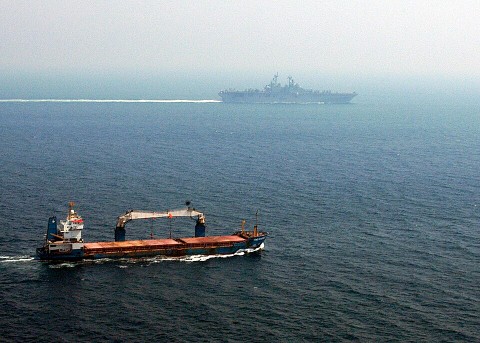
The Strait of Hormuz remains one of the world’s most vital energy conduits, channeling a substantial portion of global oil and gas exports. Any disruptions in this region could significantly impact international energy markets and trade flows, underscoring the critical nature of the ongoing negotiations.