
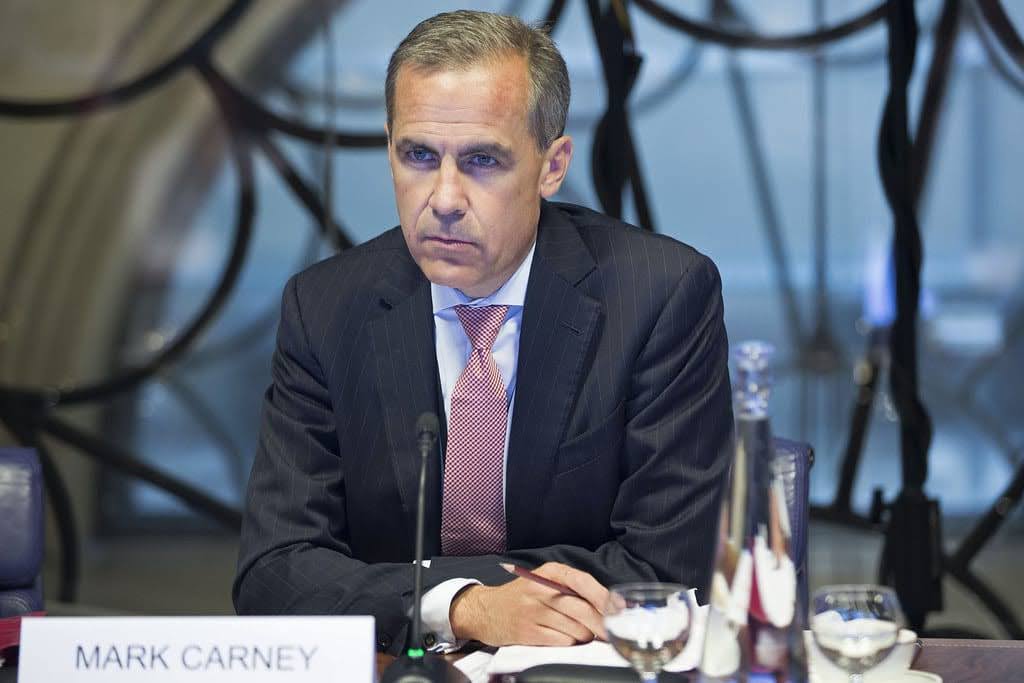
Canadian Prime Minister Mark Carney is navigating a tricky course, facing domestic backlash for inviting Indian Prime Minister Narendra Modi to the G7 summit while simultaneously engaging with international realities. His decision highlights the constant tension between satisfying internal constituencies and pursuing foreign policy objectives.
Carney, when confronted by the media, deliberately avoided expressing an opinion on Modi’s potential involvement in the Nijjar assassination. He stressed the ongoing legal process in Canada as the reason for his silence, deeming it inappropriate to comment publicly. Four Indian nationals have been charged in connection with Nijjar’s murder, a case that has already led to significant diplomatic fallout.
The G7 summit, scheduled for June 15-17 in Kananaskis, Alberta, is a key international gathering. Carney justified Modi’s invitation by highlighting India’s economic and demographic significance, calling it the “fifth largest economy in the world” and “most populous country,” and central to global supply chains. He argued that engaging with India’s leader is essential for discussing critical topics like energy, artificial intelligence, and critical minerals.
This controversial invitation also aligns with Carney’s new government’s efforts to ease tensions with other nations, including normalizing communication with China and resolving trade disputes with the US. However, critics like the World Sikh Organization argue that this approach compromises Canadian values, creating a significant domestic challenge for the Prime Minister.