
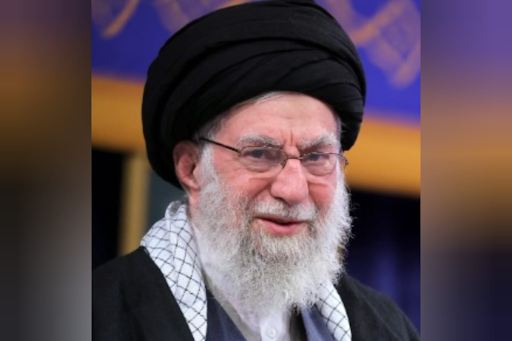
The most dangerous consequence of the March 2026 airstrikes is the potential collapse of Iran’s religious ban on nuclear weapons. With the Supreme Leader—the author of the fatwa against weaponization—dead, the IRGC is reportedly arguing that the country’s conventional defenses have failed. In their view, only a nuclear deterrent can prevent the “decapitation” of the next administration.
Intelligence reports suggest that several “leaders involved in the Iranian nuclear program” were also killed in the strikes. This has paradoxically accelerated the push for weaponization among the survivors, who see it as a “now or never” moment for the regime’s survival. The “strategic patience” of the clerical era is being replaced by a frantic military push for “Strategic Equality” with the West.
The International Atomic Energy Agency (IAEA) has reported “no indication” of damage to the nuclear sites themselves, but the political will to allow inspections has evaporated. The interim council has restricted access to all sensitive sites, leading to fears that Iran is currently moving toward the “breakout” stage behind closed doors.
The US and Israel have vowed to continue strikes against any site linked to weaponization, creating a race against time. This “nuclear chicken” scenario is the primary reason the region remains on high alert. The death of the Leader has removed the theological guardrails that once provided a slim hope for a non-nuclear Iran.
The next Supreme Leader will be defined by their stance on the bomb. If the Assembly of Experts picks a hardliner, the world may be looking at the first nuclear-armed revolutionary state in the Middle East. The transition period is the most critical window in history for non-proliferation efforts, and that window is closing fast.