
A quiet battle for the soul of the World Cup is being fought within FIFA, and for now, the traditionalists have won. A radical proposal for a 64-team tournament in 2030 has been internally rejected by the organization’s key decision-makers, who fear it would sacrifice the event’s quality and prestige on the altar of inclusivity.
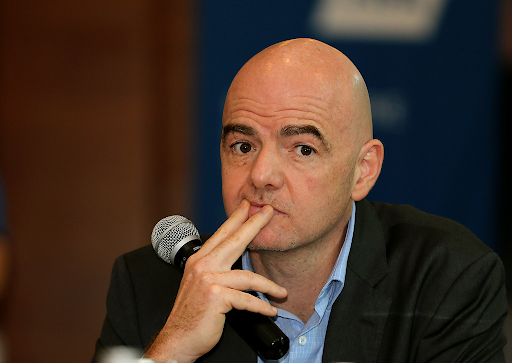
The proposal was formally brought to the table by a delegation of South American football leaders during a meeting with FIFA President Gianni Infantino in New York. Their vision was one of a massive, globally inclusive centenary celebration, which would have the convenient side effect of virtually guaranteeing World Cup spots for all ten Conmebol nations.
But this vision for a bigger tournament has clashed with a deep-seated belief within the FIFA Council that bigger is not better. Sources have confirmed that the council is overwhelmingly against the plan, arguing that it would “damage the World Cup.” The core fear is a tournament bloated with uncompetitive teams and one-sided matches.
This protective stance has been echoed by powerful public voices. The presidents of UEFA and Concacaf, Aleksander Ceferin and Victor Montagliani, have both spoken out against the dilution of the tournament. Their opposition reflects a broader sentiment that the World Cup’s elite status must be preserved.
While FIFA President Infantino may have listened to the proposal, the heart of his organization has rejected it. The battle has been won by those who believe the soul of the World Cup lies in its competitive intensity, not in the sheer number of its participants.