
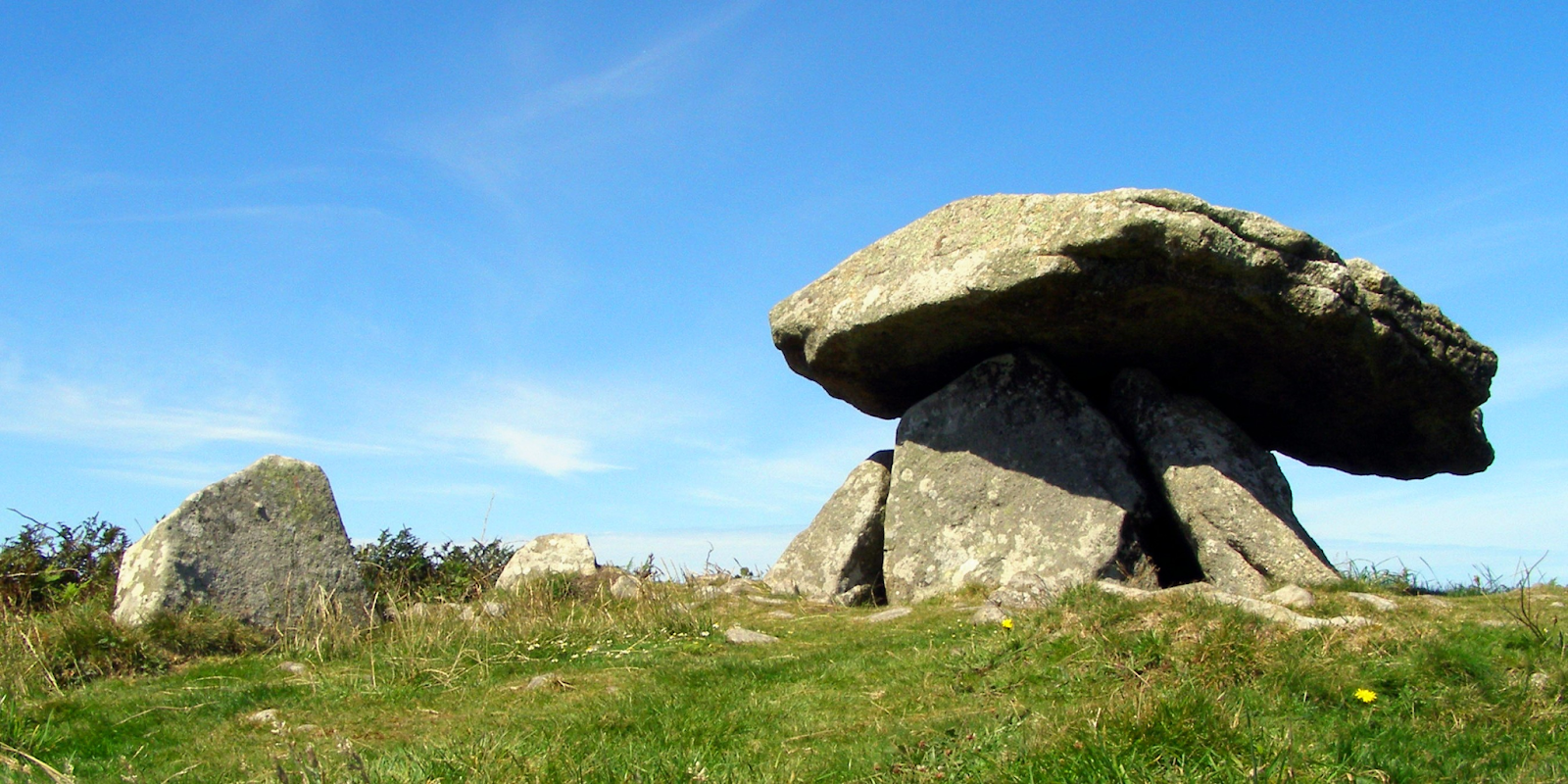
Cornwall’s prehistoric monuments functioned collectively as an enormous calendrical system that helped communities track time’s passage through the darker half of the year. From autumn equinox through winter solstice, multiple sites provided observable phenomena that marked seasonal progression, creating redundant verification methods that enhanced accuracy and reliability.
The Kenidjack holed stones may represent the most explicit countdown mechanism. Carolyn Kennett’s theory proposes that from late October through December, sunlight streaming through the small apertures created specific beam patterns that changed as the sun’s rising position shifted. Communities could observe these daily variations, noting how beam angles and shadow lengths altered as winter approached.
Other monuments provided complementary timing methods. Stone circles like Tregeseal offered observation points for tracking the sun’s changing position along the horizon through autumn. As the setting sun moved southward, its position relative to landscape features like the Isles of Scilly would shift predictably, allowing observers to estimate the remaining time until solstice.
Chambered tombs including Chûn Quoit marked the actual solstice moment when the sun reached its southern extreme. The precision of alignment at this site—sun setting exactly over Carn Kenidjack—created dramatic confirmation that the turning point had arrived. This visual spectacle would have provided powerful reassurance that cosmic order persisted and the sun would indeed begin its return journey.
The redundancy built into this system demonstrates sophisticated understanding of timekeeping challenges. Single observations could be obscured by weather. Multiple methods using different sites and techniques ensured communities could maintain accurate seasonal tracking even when individual monuments were temporarily unavailable for observation. Modern engagement with this heritage includes both scholarly investigation of calendrical functions and community celebrations. The Montol festival maintains traditions of marking winter solstice through collective ritual, demonstrating how the countdown to winter’s darkest moment continues holding cultural significance even in contemporary society where calendars no longer depend on astronomical observations.