
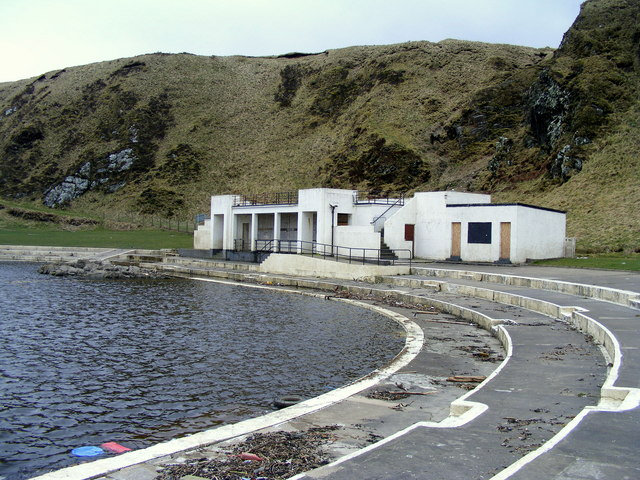
Scotland’s future, particularly its coastal regions, is increasingly looking local, as exemplified by Tarlair Lido’s community-driven model for regeneration. This isn’t just about restoring an old swimming pool; it’s about pioneering a new blueprint for tourism development where authenticity and local benefit are paramount. The Friends of Tarlair, by securing a 99-year lease, have ensured perpetual community oversight, guaranteeing that all future developments serve the collective good rather than private interests.
The triumph of the Tarlair project challenges long-held assumptions about the feasibility of heritage site restoration. It stands as compelling evidence that determined communities, through persistent advocacy and strategic partnerships, can achieve professional-grade outcomes. The productive collaboration between local volunteers and specialist architects, including Chris Romer-Lee and James Lowe, demonstrates how a clear community vision can attract world-class expertise, particularly when the endeavor resonates with broader cultural values of preservation and local empowerment.
This visionary approach, which expertly merges historical authenticity with practical sustainability, offers immense potential for other abandoned coastal facilities throughout Scotland. As global tourism evolves in response to climate change and travelers increasingly seek more meaningful and locally embedded experiences, community-owned heritage sites like Tarlair present attractive alternatives to generic mass-market destinations. They promise economic advantages that are deeply rooted in their specific location and original purpose, fostering true local regeneration.