
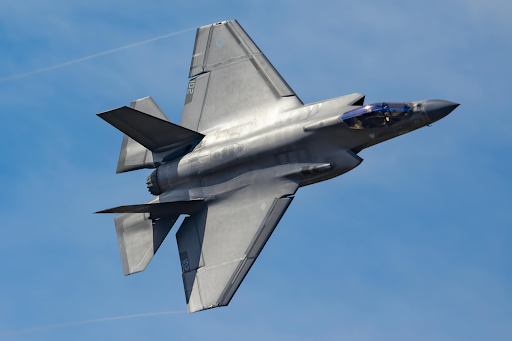
A high-profile court case over F-35 parts for Israel has exposed a deep division within the Netherlands, pitting the government’s pragmatic foreign policy against a judiciary and activist community focused on human rights. The Supreme Court is now set to deliver a final, decisive ruling.
The lawsuit, initiated by three rights groups, has become a national focal point for the debate on the Gaza war. The groups argue that the Netherlands is complicit in alleged war crimes by facilitating the shipments, a position that has garnered significant public support.
The judiciary itself has been divided. A district court initially sided with the government, but an appeals court dramatically reversed this, imposing a ban in February 2024 and aligning itself with the human rights perspective. The government’s appeal to the Supreme Court represents its final effort to win the argument.
The government’s case is built on the separation of powers and practical realism. It argues that foreign policy is its domain and that a Dutch ban would not stop the U.S.-owned parts from reaching Israel, making it a hollow moral victory with real diplomatic costs.
This internal Dutch struggle reflects a broader European division over the Israel-Hamas war, which began on October 7. The Dutch Supreme Court’s decision will be a landmark moment, signaling whether legal principles or political pragmatism will guide the nation’s response to the conflict.