
The rise of fatty liver disease has reached epidemic levels, with research indicating that nearly 40 percent of adults may be affected by metabolic-dysfunction-associated steatotic liver disease. This widespread condition often develops without symptoms, leaving millions unaware of their compromised liver health.
This metabolic variant of liver disease develops alongside conditions like obesity and diabetes, independent of alcohol use. The condition’s progression poses serious risks—from simple fat accumulation to fibrosis and potentially life-threatening complications.
However, dietary choices can significantly influence liver health outcomes. A nutrition expert specializing in metabolic health has identified five foods that offer particular benefits for supporting liver function and reducing inflammation.
Black coffee stands out as a beneficial beverage for liver protection. Caffeine has been shown through research to reduce liver disease progression and decrease fat accumulation in liver tissue. Regular consumption offers a simple yet effective way to support liver health.
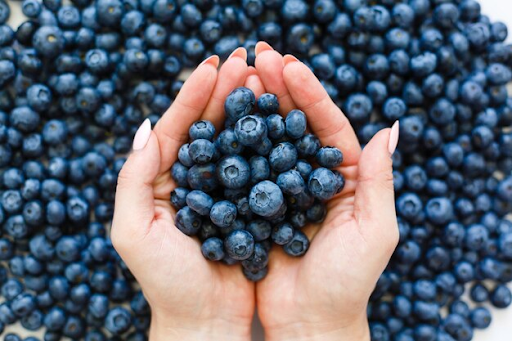
Blueberries provide substantial liver health benefits through their anthocyanin content. These compounds possess potent anti-inflammatory properties that specifically target liver cells. By reducing cellular inflammation, blueberries help protect against fatty liver disease development and progression.
Amla, valued in traditional healing practices, delivers modern health benefits through its exceptional vitamin C content. This antioxidant helps combat oxidative stress, a primary contributor to fatty liver development. Incorporating amla into your diet supports both liver function and overall metabolic wellness.
Avocados offer unique advantages for liver health through their glutathione content. This essential compound supports liver cell production and regeneration, helping the organ maintain its function and recover from damage. Glutathione also reduces oxidative stress, slowing fatty liver disease progression.
The pairing of turmeric and black pepper creates a synergistic effect for liver protection. Turmeric contains curcumin with its powerful anti-inflammatory and antioxidant benefits, while black pepper enhances curcumin absorption through its piperine content. This combination provides an effective tool for reducing inflammation and preventing fatty liver disease.