
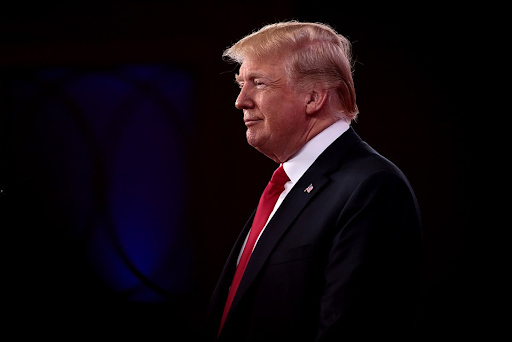
President Trump has declared his intention to impose 25% tariffs against South Korea, claiming Seoul has breached commitments from a trade deal negotiated last year. The announcement encompasses major export categories including automobiles, lumber, and pharmaceutical products.
The October 2024 trade framework was finalized after intensive negotiations between Trump and South Korean President Lee Jae Myung, including provisions for reduced American tariffs in exchange for Korean investment commitments. However, disputes about ratification requirements have prevented full enactment.
Korean officials were blindsided by Trump’s public announcement, receiving no advance diplomatic notification. The government is responding on multiple fronts, sending the trade minister to Washington for emergency talks while working with parliament to pass enabling legislation.
South Korea’s automotive manufacturers face substantial risk from the threatened tariff increase, as the sector depends heavily on American consumers. The United States absorbs nearly half of all Korean car exports, making trade policy critically important.
Trump’s approach to trade policy continues to emphasize threats and unpredictability as negotiating tactics. International economics experts express concern that such announcements undermine business confidence and create market volatility regardless of implementation.