
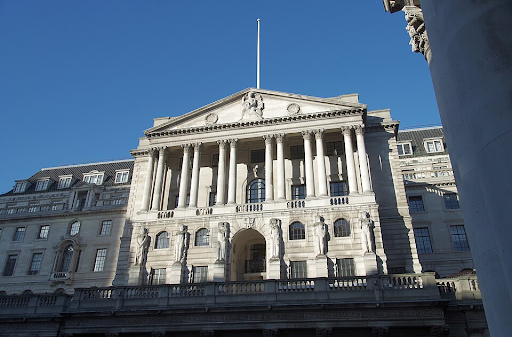
The Bank of England’s decision to cut rates to 3.75% masks a deeper problem: the service sector is still inflating. While goods prices have fallen, the cost of services—which makes up the bulk of the UK economy—remains stubbornly high. This “stickiness” was the primary reason four members of the MPC voted against the rate cut, fearing that the battle against inflation is only half won.
Service sector inflation is driven by wages, and with employers expecting to hike pay by 3.5% in 2026, there is little sign of this pressure easing. Unlike the price of petrol or wheat, which is determined by global markets, the price of a haircut or a legal consultation is determined by domestic labor costs. This makes it much harder for the Bank to control using interest rates alone.
The dissenting hawks argued that cutting rates now fuels demand in the service sector, potentially locking in high prices for years. They warned of “lasting changes in wage and price-setting behaviour,” meaning businesses have gotten used to passing on costs to consumers, and consumers have gotten used to paying them. Breaking this psychology requires discipline, not stimulus.
For the economy, this creates a two-speed problem. Manufacturing and retail are struggling (hence the GDP contraction), but services are running hot on price. The Bank’s single interest rate tool is a blunt instrument; it can’t target one sector without hitting the other. By cutting rates, they are trying to save the struggling sectors while hoping the service sector cools down on its own.
If service inflation refuses to drop, the Bank will face a nightmare scenario in 2026. They may have to raise rates again to kill off the price rises, causing a double-dip recession. The 5-4 vote shows just how terrified the committee is of this “sticky” service sector trap.