
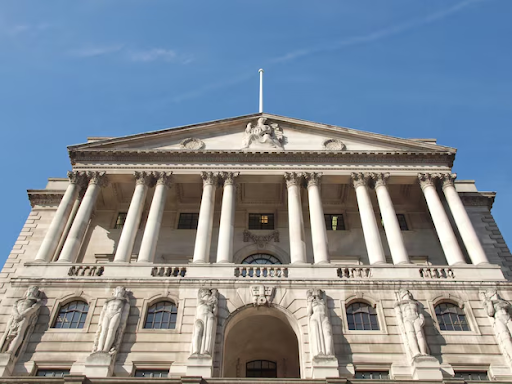
The Bank of England has held interest rates at 3.75%, with all nine monetary policy committee members providing detailed explanations for their votes in the meeting minutes. This transparency offers unusual insight into the diverse perspectives shaping UK monetary policy.
The committee’s 5-4 split featured comprehensive rationales from each member, revealing the complex considerations behind the decision. Members voting for a cut included Dave Ramsden, Sarah Breeden, Alan Taylor, and Swati Dhingra, each citing different aspects of the economic outlook to support their position.
Alan Taylor’s explanation was particularly dovish, suggesting a base rate of 3%—implying three further cuts—should be “in our sights now.” He pointed to “continued drift” in forecasts toward weaker growth and lower inflation. Swati Dhingra has consistently advocated for more aggressive easing throughout the cycle, making her support for a cut unsurprising.
By contrast, Megan Greene provided a detailed hawkish rationale, expressing concern about high consumer inflation expectations and strong wage growth. She warned that cutting rates as markets expect could constitute a “policy error” if inflation pressures resurge. Her detailed explanation highlights the genuine uncertainty facing policymakers.
Governor Andrew Bailey, voting to hold, balanced these perspectives by emphasizing both the positive inflation outlook and the need for caution. He projected inflation would fall to around 2% by spring but stressed the importance of ensuring it stays there. The Bank forecasts GDP growth of just 0.9% this year, with unemployment reaching 5.3%, while Chancellor Rachel Reeves’s budget measures are expected to drive inflation down to 2.1% by mid-2026. The detailed voting explanations reveal that this decision genuinely could have gone either way.