
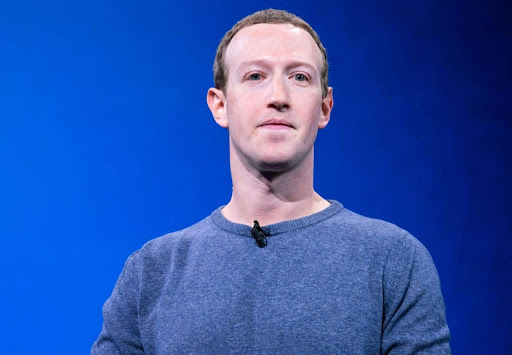
Fear of missing out drives some of the worst investment decisions in technology. The Meta metaverse was the largest FOMO investment in the industry’s history — a bet made not because demand was validated but because the fear of missing the next platform shift was too great to ignore. Horizon Worlds is being shut down on VR, off the Quest store in March and terminated June 15, after close to $80 billion in losses. Mark Zuckerberg’s fear of missing the VR moment cost him close to $80 billion.
The FOMO logic was coherent. Platform shifts in technology create enormous value for the companies that lead them and devastating competitive disadvantage for those that miss them. Microsoft nearly missed mobile; the consequences shaped a decade of its strategy. Yahoo missed search; the consequence was irrelevance. Zuckerberg observed these patterns and concluded that missing the VR shift would be catastrophic for Meta. The fear of that outcome drove the investment scale.
The problem with FOMO investments is that they reverse the natural logic of investment. Sound investment follows demand — resources are deployed where genuine commercial opportunity is demonstrated. FOMO investment precedes demand — resources are deployed to capture an opportunity that is anticipated but not yet validated. When the anticipated demand materializes, FOMO investments can generate extraordinary returns. When it does not, they generate extraordinary losses.
Reality Labs generated close to $80 billion in losses because the demand for VR social platforms did not materialize at the scale and pace the FOMO investment required. Horizon Worlds’ few hundred thousand monthly users confirmed that the fear of missing a VR moment was premature — the moment had not arrived. Layoffs of more than 1,000 Reality Labs employees in early 2025 formalized the conclusion that FOMO had been the wrong basis for the investment.
The AI investments that now follow Meta’s metaverse retreat carry their own FOMO element — the fear of missing the AI era is real and legitimate. The difference, crucially, is that AI demand is already demonstrable rather than anticipated. The FOMO is being validated by actual evidence. If that evidence holds, AI FOMO may prove to be the right basis for a very large investment. The metaverse’s $80 billion loss has raised the stakes for getting that distinction right.