
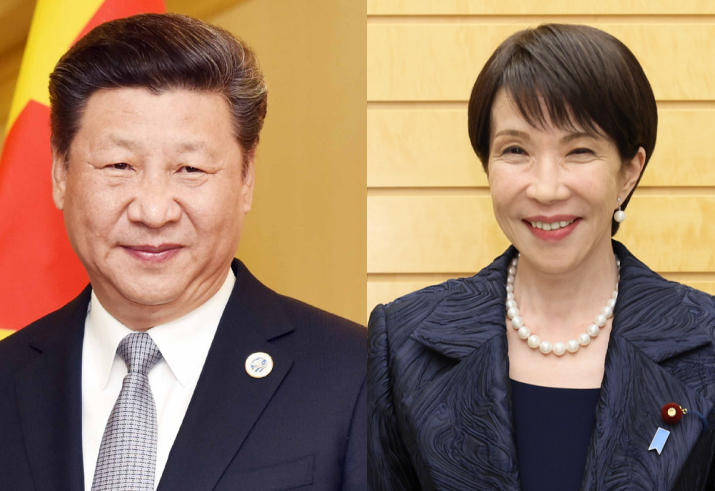
The Japanese automotive industry is confronting renewed concerns about supply chain vulnerability as the diplomatic crisis over Taiwan raises the prospect of Chinese restrictions on rare earth exports, which are critical to vehicle production particularly for electric and hybrid models. China has previously demonstrated its willingness to leverage rare earth supplies during trade disputes, including successfully wielding this resource against the United States during the Trump administration’s aggressive trade policies, making current implicit threats credible and concerning to Japanese manufacturers.
Rare earth elements are essential for numerous automotive components including electric motors, batteries, catalytic converters, and various electronic systems. Japan’s automotive industry, which represents a crucial sector of the national economy, has limited near-term alternatives for rare earth supplies given China’s dominant position in global production and processing. Any significant restrictions would create immediate production challenges and potentially force costly supply chain restructuring that could take years to fully implement.
The crisis stems from Prime Minister Sanae Takaichi’s characterization of potential Chinese military action against Taiwan as a “survival-threatening situation” that could trigger Japanese military involvement. Professor Liu Jiangyong of Tsinghua University indicates that China’s countermeasures will be implemented gradually and secretly, suggesting rare earth restrictions could emerge as part of an escalating pressure campaign if diplomatic tensions continue without resolution.
The automotive industry concerns complement broader economic impacts including tourism losses projected at approximately $11.5 billion by economist Takahide Kiuchi, based on over 8 million Chinese visitors in the first ten months of this year representing 23% of all arrivals to Japan. Cultural exchanges have been disrupted, and the existing two-year ban on Japanese seafood exports continues, indicating China’s willingness to sustain economic pressure across multiple sectors for extended periods.
The rare earth vulnerability highlights broader questions about economic interdependence and security policy. Japanese automotive manufacturers had presumed that commercial logic and mutual economic benefits would constrain political interference with supply chains, but the current crisis demonstrates how strategic resources can become leveraged during diplomatic disputes over issues like Taiwan that Beijing views as fundamental national interests. International relations expert Sheila A. Smith notes that domestic political constraints make compromise difficult for leaders in both countries, potentially leaving the automotive industry facing prolonged uncertainty about rare earth access. This may accelerate Japanese efforts to diversify supply sources and reduce dependence on Chinese rare earth supplies, though such structural changes require significant time and investment, leaving the industry vulnerable in the near term as the diplomatic crisis continues.